
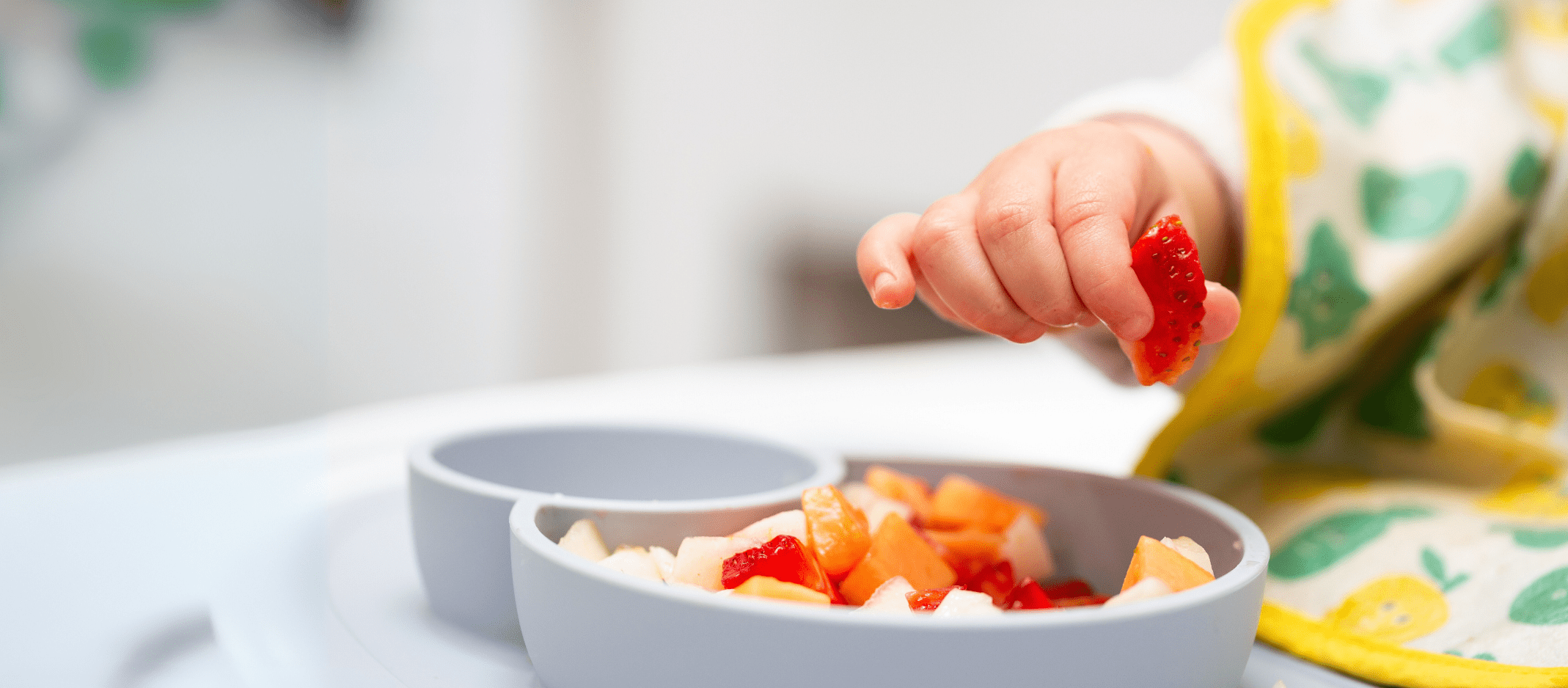
Transitioning to solid foods is a significant milestone for babies and an exciting journey for parents. It’s a time of exploration, learning, and bonding. However, knowing when to start, what to offer, and how to proceed can feel daunting. This guide will help you navigate this new phase with confidence, ensuring a positive experience for you and your baby.
Recognizing the Signs of Readiness
Your baby will show signs when they’re ready for solids, typically around 6 months. Look for:
• Good head control and the ability to sit well with support.
• Increased curiosity, watching you eat or reaching for your food.
• The disappearance of the tongue-thrust reflex, which causes them to push solids out of the mouth with their tongue.
Starting Solids: The First Steps
Choosing the First Foods: Single-ingredient, pureed fruits and vegetables, or iron-fortified cereals mixed with breast milk, formula, or water are excellent starters. Offer one new food at a time and wait 3-5 days before introducing another to watch for any allergic reactions.
Timing is Key: Begin with one feeding a day, at a time when your baby is not too tired or hungry. Mornings are often preferred so you can observe any reactions throughout the day.
Embrace the Mess: Feeding solids is a messy process. It’s more about exploration and taste than nutrition initially, as your baby is still receiving most of their nutrients from breast milk or formula.
Progressing with Textures and Tastes: As your baby becomes more comfortable with eating, gradually introduce varied textures and flavours. Mashed fruits and vegetables, soft, cooked and finely chopped foods, and small pieces of soft foods encourage chewing and help develop eating skills.
Tips for a Smooth Transition
Stay Patient: Your baby might only eat a small amount at first. That’s okay! Keep offering new foods and revisiting those they initially rejected.
Watch for Cues: Let your baby’s appetite guide how much they eat. Signs of fullness include turning their head away or refusing to open their mouth.
Safe Eating Practices: Always supervise your baby while they’re eating to prevent choking. Ensure foods are cooked to the right texture to make chewing and swallowing easy.
Homemade vs. Store-Bought: Whether you opt for homemade baby food or store-bought, the priority is the quality and appropriateness of the food for your baby’s developmental stage. Homemade food allows for control over ingredients and texture, while store-bought can be convenient and often comes with labelling that indicates the appropriate age stage.
Encouraging Healthy Eating Habits
Introducing a variety of foods early on can help develop a palate for different flavours and textures, which may support healthier eating habits as your baby grows. Encourage self-feeding with finger foods as your baby’s motor skills develop, fostering independence and interest in food.
Introducing Solids is an adventure filled with trial, error, and joyous messes. It’s not just about nourishment but also about discovering tastes, textures, and the joy of eating. With patience, observation, and a little preparation, you can embark on this journey with confidence, supporting your baby’s growth and development with every spoonful.