
Celebrate babies the way they are

Baby Milestone Magic: Unwrapping the First Year’s Surprises!

Having the privilege to watch your baby grow is a magical experience, with so many exciting and rewarding milestones. Witnessing their very first smile, to their first steps. Each one of those achievements are a precious treasured moment. So, understanding these milestones can assist you in supporting your little conqueror’s overall development and celebrating their little successes. Let us have a look at what you can expect within the first year of your baby’s life.

0-3 Months: The Newborn Stage

In the first three months, your baby will transition from the womb to the world. You can expect plenty of sleep (for the baby, not necessarily for you!).

They will start to:

– Recognize Your Voice: Your baby will turn towards familiar sounds.

– Smile: Around 6-8 weeks, you’ll see their first intentional smile. – Lift Their Head: Tummy time helps strengthen neck muscles, and soon, they’ll hold their head up.


3-6 Months: The Discovery Phase

Between three to six months, your baby will become more alert and interactive. Some milestones include:

– Rolling Over: Most babies will start rolling from tummy to back.

– Grabbing Objects: Their grasp improves, and they’ll reach for toys (your hair, glasses, necklaces or anything in reach)

– Babbling: Expect delightful cooing and babbling as they experiment with sounds.


6-9 Months: The Movement Months

Now, your baby is becoming a bit more mobile and a lot more curious. Look out for:

– Sitting Up: With little support, they’ll sit up and explore their surroundings.

– Crawling: Some babies start crawling, while others may scoot or roll.

– Responding to Their Name: They recognize their name and respond to it, with gibberish of course.


9-12 Months: The Little Explorer

As the first year has flown by, your baby becomes a mini explorer. Their key milestones will include:

– Standing: Pulling up to stand and cruising around furniture.

– First Words: Simple words like “mama” and “dada” make their appearances.

– First Steps: Some babies take their first steps before their first birthday even!


In conclusion, supporting your baby’s development is important for what comes after the first year. Just keep in mind that every baby is unique, and milestones can vary from baby to baby. Encourage your little conqueror and provide a safe environment for them to explore, offer plenty of interaction, and respond to their needs. Celebrate each milestone, no matter how small, medium or big and enjoy the journey!

How has your baby surprised you with their milestones?

Shequila Adams

Digital Marketer

Baby’s First Foods: Introducing Solids with Confidence

Transitioning to solid foods is a significant milestone for babies and an exciting journey for parents. It’s a time of exploration, learning, and bonding. However, knowing when to start, what to offer, and how to proceed can feel daunting. This guide will help you navigate this new phase with confidence, ensuring a positive experience for you and your baby.


Recognizing the Signs of Readiness

Your baby will show signs when they’re ready for solids, typically around 6 months. Look for:
• Good head control and the ability to sit well with support.
• Increased curiosity, watching you eat or reaching for your food.
• The disappearance of the tongue-thrust reflex, which causes them to push solids out of the mouth with their tongue.


Starting Solids: The First Steps

Choosing the First Foods: Single-ingredient, pureed fruits and vegetables, or iron-fortified cereals mixed with breast milk, formula, or water are excellent starters. Offer one new food at a time and wait 3-5 days before introducing another to watch for any allergic reactions.
Timing is Key: Begin with one feeding a day, at a time when your baby is not too tired or hungry. Mornings are often preferred so you can observe any reactions throughout the day.
Embrace the Mess: Feeding solids is a messy process. It’s more about exploration and taste than nutrition initially, as your baby is still receiving most of their nutrients from breast milk or formula.
Progressing with Textures and Tastes: As your baby becomes more comfortable with eating, gradually introduce varied textures and flavours. Mashed fruits and vegetables, soft, cooked and finely chopped foods, and small pieces of soft foods encourage chewing and help develop eating skills.


Tips for a Smooth Transition

Stay Patient: Your baby might only eat a small amount at first. That’s okay! Keep offering new foods and revisiting those they initially rejected.
Watch for Cues: Let your baby’s appetite guide how much they eat. Signs of fullness include turning their head away or refusing to open their mouth.
Safe Eating Practices: Always supervise your baby while they’re eating to prevent choking. Ensure foods are cooked to the right texture to make chewing and swallowing easy.
Homemade vs. Store-Bought: Whether you opt for homemade baby food or store-bought, the priority is the quality and appropriateness of the food for your baby’s developmental stage. Homemade food allows for control over ingredients and texture, while store-bought can be convenient and often comes with labelling that indicates the appropriate age stage.


Encouraging Healthy Eating Habits

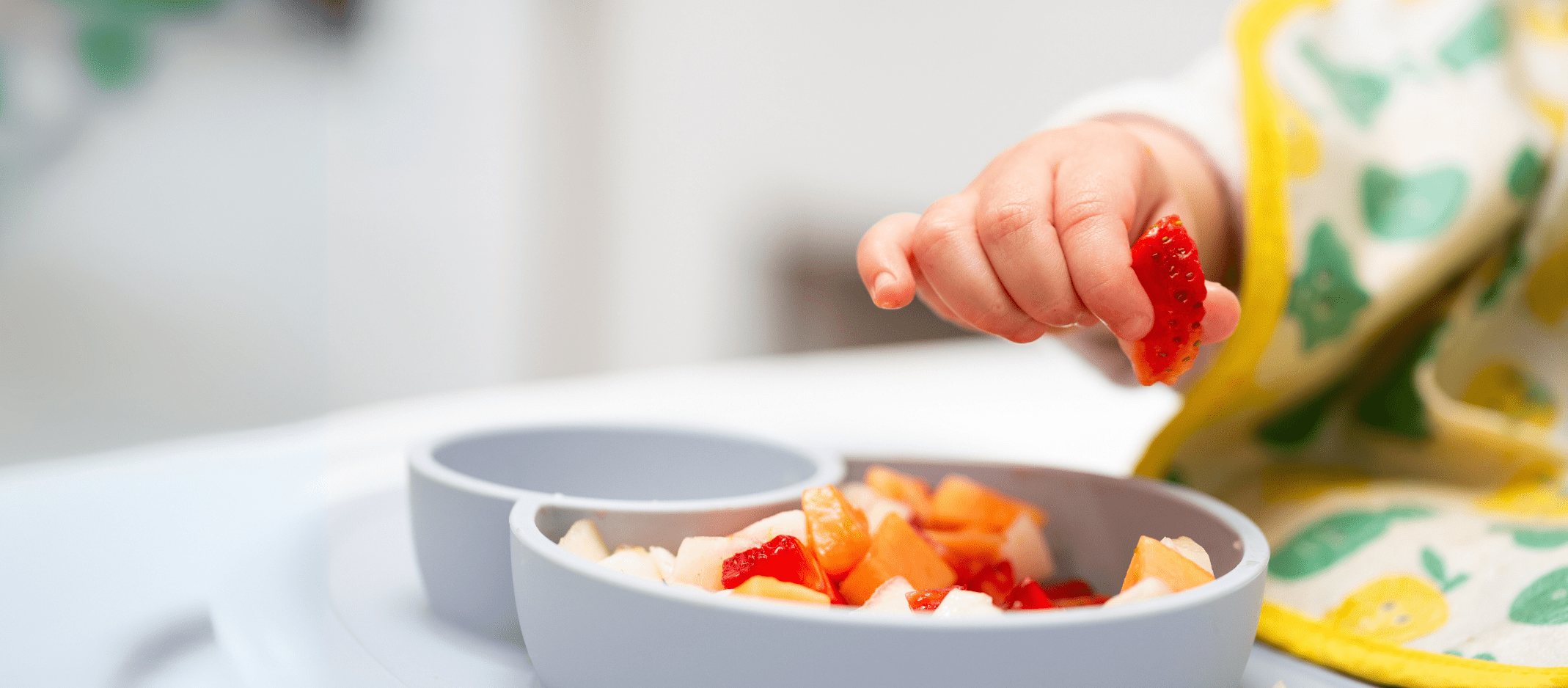
Introducing a variety of foods early on can help develop a palate for different flavours and textures, which may support healthier eating habits as your baby grows. Encourage self-feeding with finger foods as your baby’s motor skills develop, fostering independence and interest in food.

Introducing Solids is an adventure filled with trial, error, and joyous messes. It’s not just about nourishment but also about discovering tastes, textures, and the joy of eating. With patience, observation, and a little preparation, you can embark on this journey with confidence, supporting your baby’s growth and development with every spoonful.

Navigating the World of Baby Sleep: Tips and Tricks

A good night’s sleep is as essential for your baby as it is for you. It’s not just about shutting your eyes and resting; it’s during these quiet hours that your baby’s brain and body grow. However, establishing a healthy sleep pattern can sometimes feel like solving a puzzle. This blog will guide you through creating a conducive sleep environment, underscore the importance of sleep, and introduce how baby products can assist in this nurturing process.

Creating a Sleep-Conducive Environment
Establish a Calming Pre-Sleep Routine: Consistency is key. A predictable sequence of calming activities before bedtime, such as a warm bath, reading a story, or gentle cuddles, can signal to your baby that it’s time to wind down.

Optimize the Sleep Space
Ensure the room is conducive to sleep. This means a comfortable room temperature, minimal light, and a quiet atmosphere. Consider a white noise machine to help mask household or street noise.


Essential Products for Baby’s Sleep

High-Quality Crib Mattress: A firm, well-fitting crib mattress supports your baby’s developing body and is a cornerstone of safe sleep.

Sleep Sacks: These wearable blankets keep babies warm without the risk of loose bedding, which can be a suffocation hazard.

Blackout Curtains or Shades: To mimic nighttime conditions and promote longer, more restful sleep, especially during daytime naps or in the summer months when the sun sets later.

White Noise Machine: A device that emits a consistent, soothing sound can help drown out disruptive noises. Some babies find white noise reminiscent of the womb, making it easier for them to fall asleep.

Humidifier: Maintaining a comfortable room humidity can prevent your baby’s skin from drying out and help ensure they breathe comfortably, particularly in winter when indoor heating can dry out the air.


Monitoring and Adjusting for Better Sleep

Track Sleep Patterns: Keeping a simple log of your baby’s sleep times and durations can help identify patterns and areas for adjustment. You might notice, for example, that your baby sleeps better on days they have more outdoor playtime.
Responsive Adjustments: Be prepared to adapt the sleep routine as your baby grows and their sleep needs evolve. What works one month may not work the next, and flexibility is crucial.


Additional Tips

Daytime Engagement: Active, engaging playtime during the day can help expend energy and promote better sleep at night.
Understanding Sleep Cues: Learn to recognize your baby’s signs of tiredness (rubbing eyes, fussiness, yawning) and begin the sleep routine before they become overtired.
Patience and Consistency: Establishing a sleep routine and seeing the results can take time. Consistent application of your chosen strategies is key to success.


By focusing on creating a safe, comfortable, and consistent sleep environment, and utilizing products that support sleep safety and comfort, you can improve your baby’s sleep patterns. Remember, every baby is unique, and it’s okay to try different strategies to find what works best for your family.


Celebrating Pregnancy Awareness Month: Essential Tips for Mothers

February marks an important celebration not just of love and affection, but also of the incredible pregnancy journey. Pregnancy Awareness Month is dedicated to empowering pregnant women with knowledge, support, and understanding, ensuring a healthy and joyful journey towards motherhood. At Pigeon, we understand this journey’s importance and are here to guide you every step of the way. Here are some essential tips for expecting mothers to navigate this beautiful phase of life with confidence and care.

Prioritize Your Health

Your health directly influences your baby’s well-being, making it crucial to maintain a balanced diet rich in vitamins, minerals, and essential nutrients. Incorporate a variety of fruits, vegetables, whole grains, and lean proteins into your daily meals. Don’t forget to stay hydrated by drinking plenty of water throughout the day.

Stay Active

Regular exercise can help you stay healthy, reduce stress, and build more stamina for labour and delivery. Activities such as walking, swimming, prenatal yoga, and pilates are excellent choices. However, always consult with your healthcare provider before starting any new exercise regimen during pregnancy.

Educate Yourself

Knowledge is power, especially when it comes to pregnancy. Attend prenatal classes, read books, and research reputable websites to learn about childbirth, breastfeeding, and newborn care. Understanding what to expect during each trimester can help you prepare mentally and physically for the changes ahead.

Listen to Your Body

Every pregnancy is unique, so listening to your body and responding to its needs is essential. Rest when you’re tired, eat when you’re hungry, and don’t push yourself too hard. Pay attention to your body’s signals and consult your doctor if you experience any discomfort or unusual symptoms.

Prepare for the Arrival

Use this time to get everything ready for your baby’s arrival. From setting up the nursery to packing your hospital bag, planning can ease your mind as your due date approaches. It’s also a good opportunity to discuss birth plans and parenting roles with your partner.

Seek Support

Having a support system can make a significant difference in your pregnancy experience. Connect with other expecting mothers through online forums, social media, or local groups to share experiences and advice. Don’t hesitate to lean on family and friends for emotional and practical support.

Embrace the Journey

Finally, take a moment to appreciate the miraculous process of creating new life. Pregnancy is a journey filled with ups and downs, but it’s also a time of incredible transformation and love. Celebrate each milestone, from the first ultrasound to the final weeks before delivery.

At Pigeon, we’re committed to supporting you through every stage of motherhood. Remember, taking care of yourself is the first step towards taking care of your baby. Celebrate Pregnancy Awareness Month by embracing these tips and look forward to the exciting journey of becoming a mother.

Milk Banks in South Africa: Lifelines for Vulnerable Infants

When we think of banks, images of tall buildings, business suits, and vaults filled with money often come to mind. But there’s another type of bank that operates far from the bustling financial districts and offers a different kind of invaluable resource: Milk banks. Particularly in South Africa, milk banks play an indispensable role in ensuring vulnerable newborns have access to the vital nutrients they need to thrive. Here’s a closer look at this life-saving service.

What are Milk Banks?

Milk banks collect, screen, process, and distribute donated human breast milk to babies in need. Think of them as blood banks but for breast milk. Just as blood donations can be a lifeline for patients in dire circumstances, breast milk donations can make a critical difference in the life of a vulnerable infant.

Why Are Milk Banks Essential in South Africa?

  • High Rates of Premature Births: South Africa witnesses a high rate of premature births. Premature babies, or preemies, often have underdeveloped digestive systems and may not be able to tolerate formula or other supplements. Human milk, being easier to digest, reduces the risk of complications like necrotizing enterocolitis (a severe bowel condition).
  • HIV/AIDS and Breastfeeding: South Africa has a high prevalence of HIV/AIDS. While the rate of mother-to-child transmission has drastically reduced thanks to medical interventions, there are situations where an HIV-positive mother might not breastfeed. In these cases, pasteurized donor milk from milk banks can offer a safe alternative.
  • Malnutrition and Infant Mortality: Malnutrition remains a significant concern in certain parts of South Africa. Breast milk provides not only essential nutrients but also antibodies that help protect against infections, reducing infant mortality rates.
  •  

Challenges Faced by Milk Banks in South Africa:

While milk banks are providing an invaluable service, they do face several challenges:

  • Supply & Demand: The demand for donor milk often outweighs the supply. More awareness is needed to encourage healthy mothers to donate surplus breast milk.
  • Infrastructure & Funding: Setting up a milk bank requires specialized equipment for pasteurization, storage, and distribution. Funding can be a significant hurdle.
  • Cultural Perceptions: In some cultures, or communities, the idea of feeding a baby with another woman’s breast milk might be met with scepticism or resistance.


How Can One Support?

Supporting milk banks is not only about donating milk. Here are some ways you can help:

  • Raise Awareness: Talk about it! Share information about the importance of milk banks on social media, in community gatherings, or even in your family.
  • Volunteer: Many milk banks need volunteers to help with various tasks, from administrative roles to helping with distribution.
  • Financial Donations: Money is always welcome. It helps in procuring equipment, running awareness campaigns, and expanding the reach of milk banks.


Notable Milk Banks in South Africa:

South African Breastmilk Reserve (SABR):

About: Founded in 2003, SABR has made significant strides in supporting premature babies. Recognizing the broader spectrum of health, SABR understands that infant health is intrinsically linked to the services provided to pregnant women and children under five.

Contact: Potential donors can reach out to SABR through their official website or local offices for more information about the donation process.

Netcare Ncelisa Human Milk Banks:

About: Operating with strict adherence to protocols, the Netcare Ncelisa human milk banks are guided by both local and international guidelines, including those from the Human Milk Banking Association of South Africa (HMBASA).

Processing: Their milk processing system aligns with the South African Department of Health’s proposed regulations, ensuring that every drop of donated milk meets the highest standards of safety.

Contact: Mothers interested in donating can contact Netcare Ncelisa human milk banks through Netcare facilities.


Milk banks in South Africa are more than just repositories of breast milk; they are lifelines for thousands of babies who might otherwise face severe health complications or even death. By understanding their importance and supporting their operations in any way we can, we’re not just aiding individual children; we’re investing in the future of the nation.

New Parent Survival Guide: Must-Have Newborn Baby Pigeon Products

Welcoming a new baby is a thrilling, life-changing experience, but it can also be overwhelming. As parents, we all want the best for our little ones and picking the right products can set the stage for a happy, healthy start to life. Pigeon, a renowned global brand, has been the go-to choice for many parents due to its quality and innovative approach. Here’s a roundup of some must-have Pigeon products to ensure a smoother transition into parenthood.

1. Pigeon Peristaltic PLUS Nursing Bottle

The first few months are crucial when it comes to feeding. Whether you’re breastfeeding, formula feeding, or both, the Pigeon Peristaltic PLUS Nursing Bottle offers a seamless transition. Its nipple design promotes the natural movement of a baby’s tongue and reduces the ingestion of air, decreasing the risk of colic.

2. Pigeon Silent Electric Breast Pump

For breastfeeding moms who need to pump, either to return to work or for other reasons, this electric breast pump is a godsend. It’s quiet, efficient, and designed to mimic the natural sucking pattern of a baby, making milk expression easy and comfortable.

3. Pigeon Baby Wipes

A quality baby wipe can make diaper changes and clean-ups a breeze. Pigeon’s baby wipes are 99% pure water, making them gentle on a newborn’s sensitive skin. They’re also durable, ensuring fewer wipes are used per clean-up.

4. Pigeon Cooling Teether

Teething can be a challenging time, but Pigeon’s cooling teether provides relief. Designed to be the perfect size for tiny mouths, it soothes gum discomfort when chilled.

5. Pigeon Liquid Cleanser

Safety and cleanliness go hand in hand when it comes to babies. Pigeon’s Liquid Cleanser is made specifically to clean baby bottles, nipples, toys, and even fruits and vegetables. It’s formulated to kill 99.9% of bacteria, ensuring a safe environment for your little one.

6. Pigeon Digital Thermometer

Monitoring a baby’s health is vital. This digital thermometer offers rapid, accurate readings and is designed to be user-friendly, making those stressful sick days a bit easier to manage.

7. Pigeon Nose Cleaner

Colds and congestion can be quite common. The Pigeon Nose Cleaner helps clear mucus safely and efficiently, offering relief to stuffy little noses.

8. Pigeon Training Toothbrush Set

Oral care begins early. This toothbrush set is designed for different stages, from teething to the early years, ensuring your child has a healthy dental journey.

Being a new parent is a mixture of joy, anxiety, sleepless nights, and unforgettable moments. Having reliable products like those from Pigeon can ease some of the challenges, allowing you to focus on the joys of parenting. Embrace the journey and remember while products help, it’s the love and care that truly make a difference.

Baby Dental Care: Why Cleaning Your Baby’s Teeth and Gums is Essential

From the moment our babies are born, we want the best for them. We pay meticulous attention to their dietary needs, sleep schedules, and developmental milestones. But one area that often gets overlooked, especially in the earliest months, is dental care. Many wonder, “Why should we clean our baby’s teeth and gums when they don’t even have teeth yet?” The answer is both simple and compelling: early dental care lays the foundation for a lifetime of healthy teeth and gums.

1. The Beginning of Oral Health:

Even before those first pearly whites make an appearance, your baby’s mouth is a hotbed for bacteria. While some of these bacteria are harmless, others can lead to dental decay. By introducing a dental hygiene routine early, you help combat these harmful bacteria, setting the stage for healthier primary teeth.

2. Prevention of Early Childhood Caries:

Early childhood caries (ECC), commonly known as baby bottle tooth decay, affects infants and toddlers. ECC can occur when babies frequently consume sugary liquids like milk, fruit juice, and formula, which can cling to their gums and budding teeth. If these are not cleaned off regularly, they can lead to decay. By wiping your baby’s gums with a clean, damp cloth after feedings, you can minimize the risk of ECC.

3. Familiarizing Babies with Dental Hygiene:

Introducing a dental care routine early on not only ensures your baby’s oral health but also makes them familiar with the process. As they grow older, they will view brushing and flossing as natural daily activities rather than new and potentially distressing experiences.

4. Promoting Healthy Tooth Eruption:

Teething can be a stressful period for both babies and parents. By keeping the gum line clean, you can reduce the potential for irritations or infections that can further exacerbate the discomfort of teething.

5. Establishing a Lifelong Habit:

Children develop habits based on their earliest experiences. When oral care becomes an integral part of their daily routine from infancy, the likelihood that they’ll prioritize dental health as adults increases.

6. Guidance for Proper Nutrition:

A crucial component of baby dental care is understanding the role of nutrition. Cleaning your baby’s teeth and gums will make you more mindful of what goes into their mouth. As a result, you’ll be more likely to prioritize foods and drinks that promote dental health and avoid those that contribute to decay.

Dental care is as essential for our babies as it is for adults. By prioritizing your baby’s oral health from the beginning, you are setting them on a path of dental hygiene that will serve them well for their entire lives. Remember, healthy teeth and gums don’t just contribute to a beautiful smile; they are crucial to overall health and well-being. So, even before that first tooth pops up, grab a soft cloth, and begin the journey towards a lifetime of radiant smiles!

Back to Top
Product has been added to your cart