Best Baby Skincare in South Africa: Gentle, Organic & Paraben-Free

Let’s be honest… there’s nothing quite like that fresh baby smell and buttery-soft baby skin. But did you know that your baby’s skin is up to 30% thinner than yours? That means it loses moisture faster, is more sensitive to irritants, and needs a whole lot of extra love and care.

Whether you’re a first-time mama, a seasoned parent, or just someone looking to gift the ultimate skincare bundle at the next baby shower, this one’s for you.

🌿 Why Gentle, Organic Ingredients Matter

If your skincare routine involves words like “hydration,” “glow,” and “anti-ageing,” then your baby’s routine should be just as thoughtful, minus the serums, of course. Their delicate skin absorbs substances more easily, so what you use on them matters. A lot.

That’s why organic baby skincare and paraben-free baby lotion aren’t just marketing fluff, they’re essentials. Harsh chemicals like parabens, alcohol, and synthetic fragrances can dry out and irritate baby’s skin, causing rashes, discomfort, or worse.

With natural, plant-based ingredients, you reduce the risk of allergic reactions while still nourishing baby’s skin with everything it needs, and nothing it doesn’t.

🧴 Meet Your Baby’s New Skincare Besties

Pigeon’s skincare range was made with real South African families in mind: gentle, affordable, effective, and full of the good stuff.

Here are the MVPs of your nappy station:

✅ Paraben-Free Baby Lotion

Soft, soothing, and silky without the nasties. Use it daily to keep baby’s skin moisturised and supple, especially in our hot, dry seasons.

✅ Natural Baby Wipes

Perfect for sensitive bums, messy faces, and everything in between. These wipes are alcohol-free, infused with natural ingredients, and gentle enough for daily use. Bonus: they smell amazing.

✅ Baby Wash

A tear-free formula that cleans without stripping away natural oils. It’s gentle enough for newborns but strong enough to handle post-playtime stickiness.

✅ Baby Massage Oil

Lightweight, fast-absorbing, and perfect for after-bath bonding time. Pro tip: warm the oil in your hands first, your baby will love the little massage!

🧸 Tools That Make Baby Care a Breeze

It’s not just about lotions and washes, it’s also about the little things that make a big difference. We’re talking about:

  • Nail scissors: Because babies somehow have razor-sharp nails at 3 days old.


Pigeon’s grooming tools are designed to be gentle, safe, and easy to use, so no more wincing every time you need to clip a tiny fingernail!

🤝 Why Trust Matters in Baby Products

We know you’ve got a thousand things on your plate. That’s why Pigeon SA focuses on reliability and communication, supporting you with products that actually work, and information you can understand. No complicated jargon. Just real care, for real parents.

👩‍ Keep It Simple, Keep It Safe

Parenting doesn’t come with a manual, but with the right products, you’ll feel a little more confident at every step. From organic baby skincare to the perfect pair of nail clippers, Pigeon is here to walk this beautiful, messy, magical journey with you.

💬 Over to you!

What’s one baby skincare product you can’t live without, or wish someone had told you about sooner? Drop your fave product or tool in the comments and let’s build the ultimate baby care list together!

Like what you see?

Give us a like & follow!

Picture of Shequila Adams

Shequila Adams

Digital Marketer

Strong But Struggling? Let’s Talk Postpartum

So, you’ve just had a baby. And you feel that everyone expects you to be glowing, overjoyed, posting endless pictures of your new baby and just being “perfect. But instead, you feel… flat. Maybe you’re crying more than usual, feeling overwhelmed, or just not yourself. If you’re thinking, “I think I have postpartum depression” you’re not alone.

Let’s chat about it (also called PPD), how to recognise the signs, and where to turn for support in your local community, because your mental well-being matters just as much as baby hygiene and nappies.

💬 What Is PPD, Really?

Postpartum is more than just the “baby blues.” While it’s completely normal to feel emotional after birth (thanks, hormones), PPD sticks around longer and hits harder. It can show up for days, weeks, or even months after you have given birth, and it doesn’t mean you’re a bad mom, it means you’re human.

🚩 Signs You Might Be Dealing with PPD

Let’s break the stigma by talking openly. Here are some common signs that something deeper might be going on:

• Feeling sad, hopeless, or emotionally numb most of the time

• Lack of energy, even after rest

• Withdrawing from friends, family, or your baby

• Struggling with everyday tasks or birth recovery

• Feeling irritable or overwhelmed

• Losing interest in things you used to enjoy

• Thoughts of self-doubt or feeling like you’re failing as a mom

If any of this sound familiar, take a breath. You’re not broken, and you’re definitely not alone. Many new moms experience this, even if no one’s talking about it at the baby shower.

🧠 Raising Awareness: What You Can Do

Okay, so now, what now? We’re not mental health professionals, but we are passionate about your health. The first step is recognising that what you’re feeling is real, and that it’s okay to speak out!

The next step is seeking help. There are incredible local resources available for postpartum counselling and treatment for depression and anxiety. From government clinics to private support groups and NGOs, there’s support available for every budget and background.

💛 Here is a list of mental health resources to help YOU:

• Equanimity – Consulting with Kim Carolin, she is a specialist in human behaviour and help many people with mental health challenges.

• National Maternal Mental Health Hotline: 1-833-TLC-MAMA (1-833-852-6262) – for 24/7 access to professional counsellors.

• Postpartum Support International (PSI) – International PPD support help line.

• Bark – Helps you find the right counselling for you in your local community.


💛 Here are some support groups to explore:

Mums Support Network

Mamahood

The Grace Factory

Moms and Tots

PS: Feel free to do your own research to find the right help for you.

🌸 Let’s Normalise the Conversation

You’re doing one of the hardest jobs in the world, all while you are still physically & mentally recovering from a traumatically beautiful experience and on top of that you are tasked with taking care of two human beings if you include yourself, some of you do it alone without support. So, let’s normalise asking for help, and supporting one another beyond the baby milestone photos.

Prioritising your mom health is just as important as feeding schedules and baby hygiene. You can’t pour from an empty cup, and you deserve support, love, and understanding.

💭 We’re in This Together


Whether you’re juggling birth recovery, figuring out feeding routines, or just trying to find five minutes to shower, we see you. And if you’re feeling overwhelmed or unlike yourself, please reach out for help. You’re not weak, you’re brave for even acknowledging it.

🗣 Now it’s your turn:


What was your biggest emotional challenge after giving birth, and how did you cope with it?

Or if you’re currently going through it, what’s one form of support you wish more people talked about?

Let’s keep this conversation going, because when moms support moms, amazing things happen. 🤍

Picture of Shequila Adams

Shequila Adams

Digital Marketer

How to Shut Down Unwanted Advice Without Offending Auntie


Becoming a new parent is significant for most people, however, to be real, it’s can also be quite chaotic. Between the midnight feedings, nappy changes, and trying to find 30 seconds to sip your (now cold) tea 🤦🏼, you are multitasking and juggling quite a lot. Then, with all of that you get family members, friends, and even strangers, offering unsolicited advice on everything from swaddling to feeding.

“Don’t hold the baby too much, or they’ll be spoiled.”
“Are you really going to let them cry it out?”
“Oh, you’re using formula? Back in my day, we only breastfed.”

“You should just let the baby cry themselves back to sleep, that’s what I did”

Does that sound familiar? Don’t worry, you’re not alone here. There are thousands of people with similar stories. Let’s explore a few ways for you to avoid unsolicited advice and how you can set boundaries while keeping your sanity intact (cause that is a challenge on its own).


Why Does Everyone Think They’re suddenly a Parenting Expert?

It seems that even before you give birth or even the very moment you have a baby, everyone becomes a child-bearing guru. Your grandmother will tell you what worked for her 50 years ago, while your cousin will rattle off the latest advice from a parenting blog or Tik-Tok 🙄. Sometimes, this advice is well-meaning, but it can leave you feeling judged or doubting your own choices and instincts.

The truth is no one knows your baby better than you do. But setting boundaries doesn’t have to be confrontational, it can be done with grace and even a bit of humour.


How to Handle Unwanted Parenting Advice (With Style or not…)

Here is a practical way to manage those “helpful” comments without stepping on anyone’s toes.


1. Smile and Nod (Then Do Your Own Thing)

This is the classic technique. When someone starts dishing out advice that you know you won’t follow, smile, nod politely, and say, “Thanks, I will keep that in mind.” Then, continue doing what works for you. This way it keeps things peaceful and avoids awkward confrontations.

💡 Pro Tip: When Auntie Mildred tells you to rub brandy on the baby’s gums for teething, just smile, nod, and quietly stick to your what you feel works for you.


2. “My Doctor Says…”

Sometimes, the easiest way to shut down unwanted advice is to shift the authority to a professional. When someone insists that your baby should be eating solids at 4 months or that you should try some old-school remedy, calmly say, “Thanks for the suggestion, but our doctor has advised us ….” Most people will back off immediately, they aren’t about to argue with a professional’s advice.


3. The “Thanks, But We’ve Got This” Approach

If someone is really overstepping and not taking the hint after you have tried the non-confrontational approach, it’s okay to be direct with them (while staying polite or not it is up to you how you want to handle it). Try saying, “I appreciate your concern, but we’ve found a routine or solution that works best for us.” This sets a clear boundary without causing unnecessary tension.


4.The Humour Card

Humour is a powerful tool to diffuse awkward situations. For example, if someone suggests an outdated, questionable, or unsafe method you could laugh and say, “I don’t think we’re ready for that level of adventure yet!” Humour lets them know you’re not taking their advice too seriously while keeping the mood light.


5. Set Boundaries Early

If you know certain family members are likely to overstep, consider having a conversation early on with them. Let them know that while you appreciate their love and support, you’d prefer to reach out when you need their advice, so you are setting clear expectations from the get-go.

Example:
“We’re really excited about our little one’s arrival, and we always appreciate your support and advice. So, if there is an instance where we need help, well definitely reach out to you and ask!”

This sets expectations while showing gratitude at the same time.

6. It’s Okay to Say “No”

Sometimes, you’ll encounter advice that isn’t just annoying, it’s harmful or super outdated. In cases like these, it’s okay to say a firm “no.” If someone insists on giving your baby water before they’re six months old or offers advice that goes against medical recommendations, don’t be afraid to politely decline.

Example Response:
“No, but thank you, we prefer to follow the recommendations from our healthcare provider to ensure baby’s safety.”


7. Parents Supporting Parents

Let’s be honest, there will be moments when even the best boundaries won’t stop someone from offering their two cents. That’s where your support network comes in. Perhaps investigate a local parenting or moms’ group or an online community where you can vent, swap stories, and get advice from people who understand what you’re going through (when you ask for it).

Here are a couple to make the searching a bit easier:

Mums Support Network

Mamahood

The Grace Factory

Moms and Tots

Forming Your Own Group. If you can’t find a group that suits your needs, why not create your own? With the help of social media and word of mouth, you can connect with other parents in similar situations as you. It can be anything from a WhatsApp or Facebook group, or a weekly meet-up at a local park, having a space where you can share your experiences can be a game-changer.

Plus, these groups can help you build new friendships and create a solid support network. Social isolation is a major risk factor for postnatal depression and anxiety, so having a safe space to talk, vent, and seek reassurance can make all of the difference.


Remember You’re the Expert on YOUR Baby

No one else knows your baby the way that you do. Trust your inner instincts, take advice when it’s helpful or from a professional, and don’t be scared to set boundaries when you feel it doesn’t work for you. Parenting is about learning, growing, and finding what works for you.


You are doing an amazing job.


Let’s Hear From You!

What’s the most “interesting” piece of unsolicited advice you’ve received as a new or seasoned parent? And how did you handle it?

Share your story and drop your favourite boundary-setting tip in the comments!

Picture of Shequila Adams

Shequila Adams

Digital Marketer

From Hospital Bags to Birthing Options: Your Baby Prep Guide

Bringing a baby into the world can bring all different kinds of emotions, feelings, and questions… It can spark joy, nervousness, frisson, and curiosity. If you’re expecting, a warm congratulations to you! Whether you’re a first-time mom or you’ve done this before, the preparation phase can feel a little-bit overwhelming. But don’t worry, hopefully we can help make this exciting time just a little easier for you.

Let’s dive into the important topics every expectant mom especially in South Africa should know about what to pack, birthing options, and navigating the system when money is tight.

Grab your tea (or your mock-tail), and let’s have a chat!

What to Pack in Your Baby’s Nappy Bag and your Hospital Bag?

You’re rushing to the hospital, and suddenly you realise—did you pack the baby’s onesie? The nappies? Your snacks? Packing early is key! Here’s a simple checklist to help you feel prepared.

Hospital Bag for Mom:

Clothing: Comfortable, loose-fitting clothes (trust, tight leggings are NOT the vibe).

○ Bottoms

○ Tops

○ Zip up hoodies.

○ Plenty of underwear.

○ Breast feeding bras.

○ Flip Flops

○ Slippers, and socks (hospitals can get chilly).

○ A nightgown or robe that’s breastfeeding friendly.

Toiletries:
The Essentials:

○ Toothbrush & Toothpaste

○ Face wipes

○ Deodorant

○ Lip balm!

○ Body wash & Lotion

○ Skincare (for your face).

○ Shampoo & Conditioner

○ Sponges & Wash Cloths

○ Tissues

○ Hairbrush & Hair ties

Nice to Have:

○ Bath Towel

○ Toilet Paper

Tech, Important Documents and Miscellaneous:
Technology:

○ Phone

○ Chargers

○ Earphones or Headphone

○ Adapters, short extension and a multi-plug.

Admin:

○ ID Documents and Copies just in case (Birthing parent & Non-Birthing parent)

○ Medical Aid Info

○ Pre completed admission forms.

○ Birth Plan

○ Gynaecologist & Paediatrician contact information.

To make life easier:

○ Flip File (To keep all your important personal and hospital documents well organised for you, e.g. baby’s birth certificate, ID copies, photographs, etc.)

○ Black Pen

Nice to have:

○ Snacks

○ Water bottle

○ Pregnancy safe energy drinks & electrolyte replacement drinks.

○ Comfy Pillows and Blankets

○ Camera & Charger

○ Speaker (for your birthing playlist – Optional)

○ Portable Fan.

○ Heating Pad or Hot water bottle

○ Aromatherapy and massage oils.

○ Spray water bottle.

○ Extra tip, download movies or series on your phone, to help you take your mind of the long waiting periods and intense contractions.

After birth

○ Maternity pads (lots of them!) and disposable underwear.

○ Reusable Ice Pack

○ Perineal Bottle or Portable Bidet

○ Belly Binder (Optional)

○ Linen Savers (Optional)

Hospital Bag for Baby:

 Clothing:

It is recommended to pack 1-2 for each day you’re in the hospital. If you’re not certain just go with 6-8 sets to be safe.

○ Onesies, Sleepsuits, and baby gowns

○ Body vests

○ Socks for feet and hands

○ Outfit for going home.

Blankets

○ Receiving blankets

○ Warm baby blanket.

○ Swaddle Blankets

Baby Care & Miscellaneous.

○ Newborn nappies

○ Wet wipes

○ Nappy Cream

○ Baby Shampoo, Wash & Lotion.

○ Soft Wash Cloths

○ Hooded Towel

○ Petroleum Jelly

○ A Dummy (optional, but handy for soothing).

○ Dummy Sterilising Spray

○ Nasal Aspirator

○ Baby nail file or clipper

○ Surgical Spirits, Earbuds or Cotton balls/swabs (for umbilical cord care).

Other Essentials for you and Baby:

Whether you are breast feeding, pumping or bottle feeling (formula).

○ Nipple Cream (Breastfeeding)

○ Breast pads (Breastfeeding)

○ Nursing Pillow (Breastfeeding)

○ Breast Pump (Pumping)

○ Milk Storage bottles or bags (Pumping)

○ Baby Bottles & Nipples (Pumping & Formula)

○ Sterilisers for Bottles and Nipples (Pumping & Formula)

○ Bottle Brush (Formula)

○ Chosen Formula

○ Burp Cloths

○ A changing mat

○ Hand sanitiser and a small first aid kit.

○ Aloe Vera Skin Gel (PRO-TIP: Aloe vera’s anti-inflammatory and soothing properties, combined with witch hazel’s ability to reduce swelling, make them perfect for relief. Prepare a batch of padsicles during your ninth month and freeze them—they’ll be ready to provide comfort when you return from the hospital.)

○ NB – A car seat for the trip home—safety first!

Packing these essentials early means you can grab and go when the time comes, knowing you’re all set for your little one’s big debut.

Exploring Birthing Options: Find What Works for You

Giving birth is a deeply personal experience, and it’s important to choose what works best for you and your baby. In South Africa, there are several options available:

1. Public Hospitals

Public hospitals are a cost-effective option and provide access to experienced midwives and doctors. While the care might not feel as personalised as in private hospitals, many moms have positive experiences here. If affordability is a concern, this might be the best route for you.

2. Private Hospitals and Birthing Suites

If you have medical aid, private hospitals and birthing suites can offer more comfort and personalised care. However, they can be expensive if you’re paying out of pocket. It’s worth checking with your medical aid early on to understand your coverage.

3. Birthing Centres

Birthing centres focus on natural, non-medicated births in a calm environment. Many centres partner with midwives and doulas to guide you through the process, making it a great option for moms looking for a more hands-on, intimate experience.

4. At-Home Births

With the support of a qualified midwife or doula, many moms are choosing to give birth in the comfort of their own home. This option isn’t for everyone, but it can be a beautiful and cost-effective alternative.

What If Your Medical Aid Doesn’t Cover Everything or you don’t have one?

Medical aid can be a lifesaver, but not everyone has access to it—or it might not cover all the costs of giving birth. If you find yourself in this position, don’t panic. There are still options:

• Public Healthcare: Government hospitals offer affordable services for moms without medical aid. The staff are experienced, and while the setting may not be as luxurious, your care should be professional and safe.

• Affordable Doulas or Birthing Coaches: Doulas are a fantastic resource for emotional and physical support during birth. They’re not just for the wealthy—many doulas offer sliding scale fees or payment plans. Consider connecting with a doula community to find someone who fits your needs and budget.

• Birthing Plans: If you’re paying out of pocket, make a clear birthing plan. Focus on the essentials to avoid unexpected costs.

• NGOs and Community Clinics: Many NGOs and clinics provide affordable or even free services to expectant moms. Do some research in your area for support options.

Remember, the most important thing is a healthy mom and baby, not where or how you give birth. Find what works for you.

Every mom’s journey is different, and every story matters. What are your biggest concerns about preparing for your little one’s arrival? Do you have tips for packing a hospital bag, or have you had a great experience with a public hospital or doula?

Let us know in the comments—we’d love to hear from you!

Picture of Shequila Adams

Shequila Adams

Digital Marketer

Tiny Joys of Parenting: Real Stories that Warm the Heart

Parenthood isn’t about grand milestones every day. Often, it’s those tiny, unexpected moments that fill our hearts with joy and remind us why this journey is so special. We asked parents to share recent moments of joy, their tips and advice, their biggest challenges, and what they wish they’d known before starting this journey. These stories are a heartwarming reminder that every laugh, cuddle, and even the struggles are part of the adventure. Let’s dive into these stories, celebrate the relatable struggles, and cherish the wins that make parenting truly rewarding.

 
1. The Sweet Surprise Hugs

“My son is 10, and as he grows up, I’m not as ‘cool’ as I used to be. But then, out of the blue, he’ll come over, give me a big hug, and say, ‘Mommy, I love you.’ It’s like magic.” – Anonymous

As they grow, kids start developing their personalities, and sometimes it feels like they’re drifting away. But these little moments bring them right back into your arms. This mom’s tip: Let your child be themselves but keep nudging them in the right direction (and maybe keep a glass of wine handy for those sassy days). She wishes she’d known that her son’s personality wouldn’t always match hers, and admits handling his attitude has been a challenge, but talking it out has made all the difference.

 
 2. The “Triumphant Twos”

“My 20-month-old daughter can finally tell me about her day, even if it’s something small, like ‘Mommy, I got a sore on my toe.’ It’s amazing to finally have these mini conversations with her!” – Téja

The “Terrible Twos”? More like the “Triumphant Twos”! It’s a time when toddlers discover their voice, and while it can be a guessing game to understand them, every new word feels like a tiny victory. Téja’s advice: Patience, patience, patience. She wishes she’d known just how fast money would fly out the door, and her biggest challenge, understanding her daughter’s needs has taught her the art of patience.


3. Artistic Wins and Cricket Dreams

“October was a big month for my 8-year-old. His art was displayed in the school gallery, and he even played in a cricket match for his school. It’s moments like these that make me so proud!” – Ashinee

These wins are a reminder that kids are constantly growing and exploring their talents. Parenting tip from Ashinee? Always make time for yourself, too. You can’t pour from an empty cup! She wishes she’d known each stage is unique and that comparison is a thief of joy! A challenge she had to overcome was the fear she felt during her son’s heart surgery, it was her biggest lesson in strength, having unconditional supported from her family and friends.


4. Sibling Love at First Sight

“My four-year-old son meeting his new baby brother (4-month-old) was a moment of pure love. He was so gentle and sweet with him; it melted my heart.” – Melanthia

There’s something truly magical about siblings meeting for the first time. It’s a moment that assures you that they’ll always have each other. Melanthia’s tip? Trust yourself as a parent. At the end of the day, you know what’s best for your child. She wishes she’d known it’s okay to have an identity beyond “mom,” and balancing her different roles as a working mom and a wife has been her toughest challenge.


5. The Big Bed Solution

“Watching my three-year-old feed his baby sister melts my heart. We all co-sleep, so I ended up getting the biggest bed possible! Cuddles are fleeting, so I’ll soak them up as long as I can.” – Simone

Co-sleeping with two young kids? Sounds like a recipe for chaos, but Simone embraces it! Her advice to new parents: Don’t stress if your kids aren’t sleeping on their own yet. These cuddles won’t last forever, so enjoy them while you can (and maybe consider a bed upgrade!). She wishes someone had warned her about the endless laundry, and co-sleeping has been her greatest challenge, solved with a bigger bed and lots of love.


6. Learning to Stand Up

“My 12-year-old stood up for his friend against a bully at school. It was one of my proudest moments as a parent.” – Anonymous

It’s in these moments we see our children grow into empathetic and brave individuals. This dad’s approach? Let kids learn from their mistakes, and remember that sometimes, those little errors are just signs of fast learning! He wishes he’d known more about childproofing and found creative ways to motivate his son, including making hydration fun with cool drinks and bottles.


7. Finding Balance as a Working Parent

“One of my favourite moments was watching my 2-year-old swimming with his floaties. Working while raising a child can be tough, but knowing I get to see him at the end of the day makes it all worthwhile.” – Anonymous

Working parents, this one’s for you! This mom’s reminder is simple yet powerful: Appreciate those end-of-day moments, because even after a long workday, seeing your child’s smile is the best reward. She wishes she’d known how tough potty training would be, and balancing work with parenthood is her daily challenge, made worthwhile by her son’s happy face.


8. Growing Up with Three Boys

“Watching my three sons get along, playing games together, or helping each other out, warms my heart like nothing else. It’s a real brother bond.” – Danette

Parenting three boys sounds like a whirlwind, but Danette finds joy in watching them form a lifelong bond. Her secret to surviving? Patience (and maybe a grocery store membership!). She wishes she’d been warned about feeding three hungry boys and letting go as they become more independent has been her toughest lesson.


9. Sunshine and Family Time

“There’s something special about spending time outdoors with my son, having fun under the sun. Those simple family moments are everything.” – Anonymous

This mom’s advice? Always make time for family. Her one wish? That she’d known how important planning would become in her parenting journey, especially during those difficult moments when her son was unwell. Her greatest challenge was watching him struggle with illness, and she learned to lean on family for support.


10. The Poolside Moments

“Watching my 5- and 6-year-old kids learn to read has been such a joy. There’s something magical about those moments of discovery.” – Bronwyn

Bronwyn, a single mom, knows the importance of resilience. Parenting on her own isn’t easy, but her advice is simple: Don’t sweat the small stuff, and remember, you’re doing the best you can. She wishes someone had warned her about the expenses of raising kids, and handling two close-in-age kids alone has been her biggest challenge, but she’s proud of how far they’ve come together.


Embrace Every Moment, Parenting is a journey filled with ups, downs, and everything in between. These stories remind us to cherish the little things, whether it’s a random hug, a silly conversation, or a moment of sibling love. Every laugh and tear, every victory and lesson – they all add up to this beautiful, challenging, and joy-filled adventure.

So next time you’re in the middle of a hectic day, take a second to appreciate these small wins. Because in the world of parenting, even the tiniest moments of joy make all the difference.

What’s been your most heartwarming or surprising moment as a parent? Share your story with us – we’d love to celebrate those tiny joys with you.

Shequila Adams

Digital Marketer

Tiny Tastes, Big Steps: How to Wean Your Baby Safely and Joyfully.

The journey you and your baby take going from breast milk to solid food could be a rather big step to take, it can be super exciting to try out new flavours and textures! So, weaning is about more than just introducing new foods, to your baby; it’s a great time to bond, explore, and make sure that your baby gets the nutrients they need as they are growing and developing bit by bit every single day.

Now for a lot of people back in the day, this was not a problem, if you grew up in a traditional South African household or even asked your parents about it they would say that we started eating soft pap or pumpkin from 3 months old without having to wean they babies off milk. This is for those parents who want to maybe try a different way by gently and slowly weaning their babies off breastmilk. If that is you, then this might be the right read for you.


When to Start Weaning.

The World Health Organization (WHO) recommends that you exclusively start breastfeeding for the first six months of your baby’s life. After this then you can begin the transition and start introducing solid foods while continuing to breastfeed at the same time. But how do you know when your baby is ready? Here are some signs to look out for:

  • Sitting up with minimal support.
  • Showing interest in food, like reaching for your plate.
  • Able to hold their head steady.

If your baby meets these milestones, it’s time to start the weaning adventure!


Starting Slow: The First Foods

You can start with simple, one ingredient foods. Such as: pureed vegetables, fruits, and porridge or cereal high in iron (finely pureed of course) these are great starting points. Introduce one new food at a time and wait a few days before trying another one. This can also help you to identify any potential allergies your baby could have, and it also gives your baby a chance to enjoy each new flavour.


Try to Make Mealtime Fun and Safe

Baby’s mealtime should be a positive experience for you both. Here are some tips you can try out:

  • Staying relaxed: Babies can sense stress and the tenseness you hold, so keeping the mood light helps with this transition.
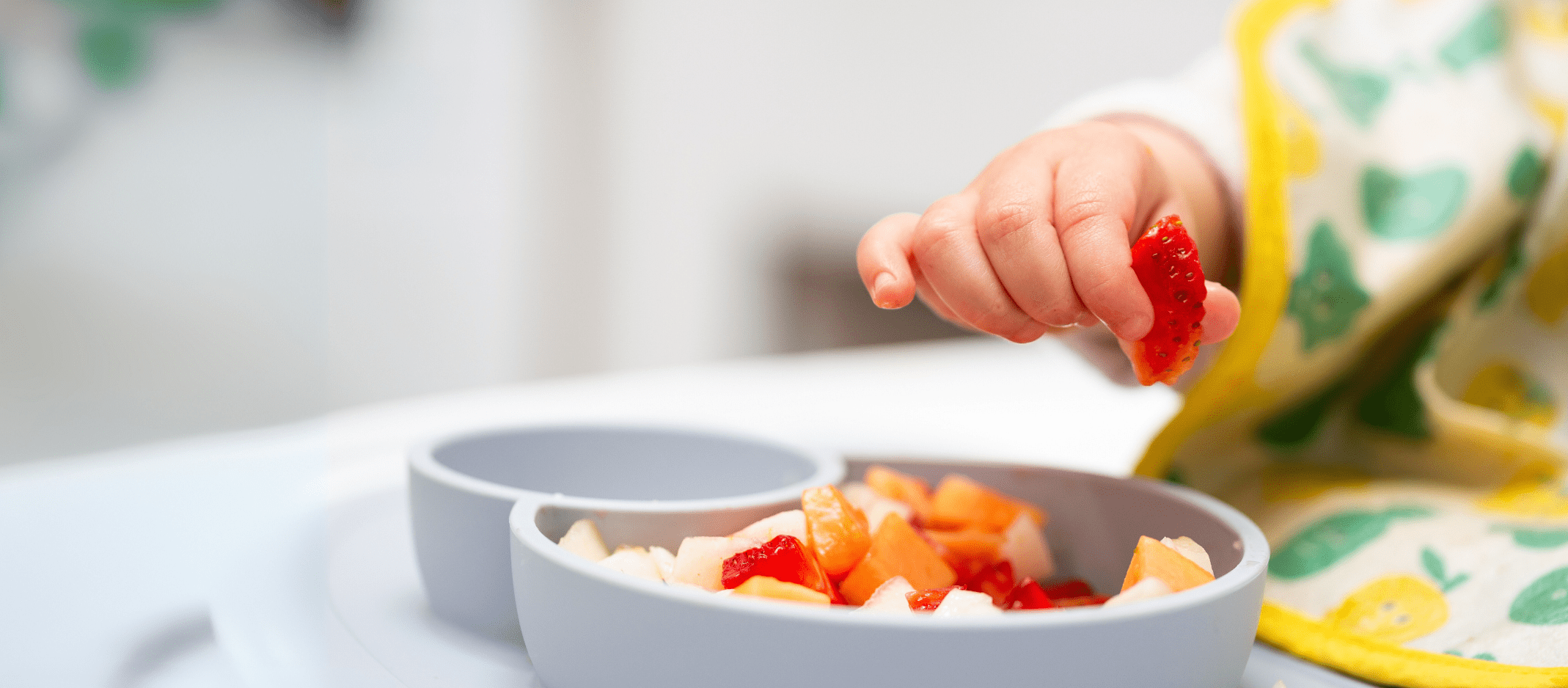
  • Use baby-friendly utensils: Soft silicone-tipped spoons and small bowls like silicone suction bowls are perfect, especially for those fast hands.
  • Never force-feed: Let your baby guide the pace and quantity they want to eat if you try to force-feed, they will get overwhelmed, and it will most likely be a traumatic experience for them.


Avoiding Choking Hazards

Safety is a priority during weaning. Avoid foods that are hard, round, or sticky, as they can be choking hazards. Always supervise your baby while eating and ensure they are sitting upright.


Combining Breastmilk with Some Solids

Remember, weaning is a gradual process. Continue to breastfeed while introducing solids, as breast milk remains a crucial source of nutrition during the first year. Gradually, solids will become a more significant part of your baby’s diet. You can even incorporate breastmilk into your baby’s foods such as porridge, formula or water.


Embracing the Mess

Sometimes weaning can be a bit messy, but it is a delightful journey! Allow your baby to explore food with their hands—it’s all part of the learning process. Embrace the spills and splatters as part of the adventure.

How has your weaning journey been so far and what foods does your baby like or dislike?

Share your experiences in the comments below and let’s learn from each other!

Shequila Adams

Digital Marketer

Baby Milestone Magic: Unwrapping the First Year’s Surprises!

Having the privilege to watch your baby grow is a magical experience, with so many exciting and rewarding milestones. Witnessing their very first smile, to their first steps. Each one of those achievements are a precious treasured moment. So, understanding these milestones can assist you in supporting your little conqueror’s overall development and celebrating their little successes. Let us have a look at what you can expect within the first year of your baby’s life.

0-3 Months: The Newborn Stage

In the first three months, your baby will transition from the womb to the world. You can expect plenty of sleep (for the baby, not necessarily for you!).

They will start to:

– Recognize Your Voice: Your baby will turn towards familiar sounds.

– Smile: Around 6-8 weeks, you’ll see their first intentional smile. – Lift Their Head: Tummy time helps strengthen neck muscles, and soon, they’ll hold their head up.


3-6 Months: The Discovery Phase

Between three to six months, your baby will become more alert and interactive. Some milestones include:

– Rolling Over: Most babies will start rolling from tummy to back.

– Grabbing Objects: Their grasp improves, and they’ll reach for toys (your hair, glasses, necklaces or anything in reach)

– Babbling: Expect delightful cooing and babbling as they experiment with sounds.


6-9 Months: The Movement Months

Now, your baby is becoming a bit more mobile and a lot more curious. Look out for:

– Sitting Up: With little support, they’ll sit up and explore their surroundings.

– Crawling: Some babies start crawling, while others may scoot or roll.

– Responding to Their Name: They recognize their name and respond to it, with gibberish of course.


9-12 Months: The Little Explorer

As the first year has flown by, your baby becomes a mini explorer. Their key milestones will include:

– Standing: Pulling up to stand and cruising around furniture.

– First Words: Simple words like “mama” and “dada” make their appearances.

– First Steps: Some babies take their first steps before their first birthday even!


In conclusion, supporting your baby’s development is important for what comes after the first year. Just keep in mind that every baby is unique, and milestones can vary from baby to baby. Encourage your little conqueror and provide a safe environment for them to explore, offer plenty of interaction, and respond to their needs. Celebrate each milestone, no matter how small, medium or big and enjoy the journey!

How has your baby surprised you with their milestones?

Shequila Adams

Digital Marketer

Baby’s First Foods: Introducing Solids with Confidence

Transitioning to solid foods is a significant milestone for babies and an exciting journey for parents. It’s a time of exploration, learning, and bonding. However, knowing when to start, what to offer, and how to proceed can feel daunting. This guide will help you navigate this new phase with confidence, ensuring a positive experience for you and your baby.


Recognizing the Signs of Readiness

Your baby will show signs when they’re ready for solids, typically around 6 months. Look for:
• Good head control and the ability to sit well with support.
• Increased curiosity, watching you eat or reaching for your food.
• The disappearance of the tongue-thrust reflex, which causes them to push solids out of the mouth with their tongue.


Starting Solids: The First Steps

Choosing the First Foods: Single-ingredient, pureed fruits and vegetables, or iron-fortified cereals mixed with breast milk, formula, or water are excellent starters. Offer one new food at a time and wait 3-5 days before introducing another to watch for any allergic reactions.
Timing is Key: Begin with one feeding a day, at a time when your baby is not too tired or hungry. Mornings are often preferred so you can observe any reactions throughout the day.
Embrace the Mess: Feeding solids is a messy process. It’s more about exploration and taste than nutrition initially, as your baby is still receiving most of their nutrients from breast milk or formula.
Progressing with Textures and Tastes: As your baby becomes more comfortable with eating, gradually introduce varied textures and flavours. Mashed fruits and vegetables, soft, cooked and finely chopped foods, and small pieces of soft foods encourage chewing and help develop eating skills.


Tips for a Smooth Transition

Stay Patient: Your baby might only eat a small amount at first. That’s okay! Keep offering new foods and revisiting those they initially rejected.
Watch for Cues: Let your baby’s appetite guide how much they eat. Signs of fullness include turning their head away or refusing to open their mouth.
Safe Eating Practices: Always supervise your baby while they’re eating to prevent choking. Ensure foods are cooked to the right texture to make chewing and swallowing easy.
Homemade vs. Store-Bought: Whether you opt for homemade baby food or store-bought, the priority is the quality and appropriateness of the food for your baby’s developmental stage. Homemade food allows for control over ingredients and texture, while store-bought can be convenient and often comes with labelling that indicates the appropriate age stage.


Encouraging Healthy Eating Habits

Introducing a variety of foods early on can help develop a palate for different flavours and textures, which may support healthier eating habits as your baby grows. Encourage self-feeding with finger foods as your baby’s motor skills develop, fostering independence and interest in food.

Introducing Solids is an adventure filled with trial, error, and joyous messes. It’s not just about nourishment but also about discovering tastes, textures, and the joy of eating. With patience, observation, and a little preparation, you can embark on this journey with confidence, supporting your baby’s growth and development with every spoonful.

Navigating the World of Baby Sleep: Tips and Tricks

A good night’s sleep is as essential for your baby as it is for you. It’s not just about shutting your eyes and resting; it’s during these quiet hours that your baby’s brain and body grow. However, establishing a healthy sleep pattern can sometimes feel like solving a puzzle. This blog will guide you through creating a conducive sleep environment, underscore the importance of sleep, and introduce how baby products can assist in this nurturing process.

Creating a Sleep-Conducive Environment
Establish a Calming Pre-Sleep Routine: Consistency is key. A predictable sequence of calming activities before bedtime, such as a warm bath, reading a story, or gentle cuddles, can signal to your baby that it’s time to wind down.

Optimize the Sleep Space
Ensure the room is conducive to sleep. This means a comfortable room temperature, minimal light, and a quiet atmosphere. Consider a white noise machine to help mask household or street noise.


Essential Products for Baby’s Sleep

High-Quality Crib Mattress: A firm, well-fitting crib mattress supports your baby’s developing body and is a cornerstone of safe sleep.

Sleep Sacks: These wearable blankets keep babies warm without the risk of loose bedding, which can be a suffocation hazard.

Blackout Curtains or Shades: To mimic nighttime conditions and promote longer, more restful sleep, especially during daytime naps or in the summer months when the sun sets later.

White Noise Machine: A device that emits a consistent, soothing sound can help drown out disruptive noises. Some babies find white noise reminiscent of the womb, making it easier for them to fall asleep.

Humidifier: Maintaining a comfortable room humidity can prevent your baby’s skin from drying out and help ensure they breathe comfortably, particularly in winter when indoor heating can dry out the air.


Monitoring and Adjusting for Better Sleep

Track Sleep Patterns: Keeping a simple log of your baby’s sleep times and durations can help identify patterns and areas for adjustment. You might notice, for example, that your baby sleeps better on days they have more outdoor playtime.
Responsive Adjustments: Be prepared to adapt the sleep routine as your baby grows and their sleep needs evolve. What works one month may not work the next, and flexibility is crucial.


Additional Tips

Daytime Engagement: Active, engaging playtime during the day can help expend energy and promote better sleep at night.
Understanding Sleep Cues: Learn to recognize your baby’s signs of tiredness (rubbing eyes, fussiness, yawning) and begin the sleep routine before they become overtired.
Patience and Consistency: Establishing a sleep routine and seeing the results can take time. Consistent application of your chosen strategies is key to success.


By focusing on creating a safe, comfortable, and consistent sleep environment, and utilizing products that support sleep safety and comfort, you can improve your baby’s sleep patterns. Remember, every baby is unique, and it’s okay to try different strategies to find what works best for your family.


Celebrating Pregnancy Awareness Month: Essential Tips for Mothers

February marks an important celebration not just of love and affection, but also of the incredible pregnancy journey. Pregnancy Awareness Month is dedicated to empowering pregnant women with knowledge, support, and understanding, ensuring a healthy and joyful journey towards motherhood. At Pigeon, we understand this journey’s importance and are here to guide you every step of the way. Here are some essential tips for expecting mothers to navigate this beautiful phase of life with confidence and care.

Prioritize Your Health

Your health directly influences your baby’s well-being, making it crucial to maintain a balanced diet rich in vitamins, minerals, and essential nutrients. Incorporate a variety of fruits, vegetables, whole grains, and lean proteins into your daily meals. Don’t forget to stay hydrated by drinking plenty of water throughout the day.

Stay Active

Regular exercise can help you stay healthy, reduce stress, and build more stamina for labour and delivery. Activities such as walking, swimming, prenatal yoga, and pilates are excellent choices. However, always consult with your healthcare provider before starting any new exercise regimen during pregnancy.

Educate Yourself

Knowledge is power, especially when it comes to pregnancy. Attend prenatal classes, read books, and research reputable websites to learn about childbirth, breastfeeding, and newborn care. Understanding what to expect during each trimester can help you prepare mentally and physically for the changes ahead.

Listen to Your Body

Every pregnancy is unique, so listening to your body and responding to its needs is essential. Rest when you’re tired, eat when you’re hungry, and don’t push yourself too hard. Pay attention to your body’s signals and consult your doctor if you experience any discomfort or unusual symptoms.

Prepare for the Arrival

Use this time to get everything ready for your baby’s arrival. From setting up the nursery to packing your hospital bag, planning can ease your mind as your due date approaches. It’s also a good opportunity to discuss birth plans and parenting roles with your partner.

Seek Support

Having a support system can make a significant difference in your pregnancy experience. Connect with other expecting mothers through online forums, social media, or local groups to share experiences and advice. Don’t hesitate to lean on family and friends for emotional and practical support.

Embrace the Journey

Finally, take a moment to appreciate the miraculous process of creating new life. Pregnancy is a journey filled with ups and downs, but it’s also a time of incredible transformation and love. Celebrate each milestone, from the first ultrasound to the final weeks before delivery.

At Pigeon, we’re committed to supporting you through every stage of motherhood. Remember, taking care of yourself is the first step towards taking care of your baby. Celebrate Pregnancy Awareness Month by embracing these tips and look forward to the exciting journey of becoming a mother.

Back to Top
Product has been added to your cart